
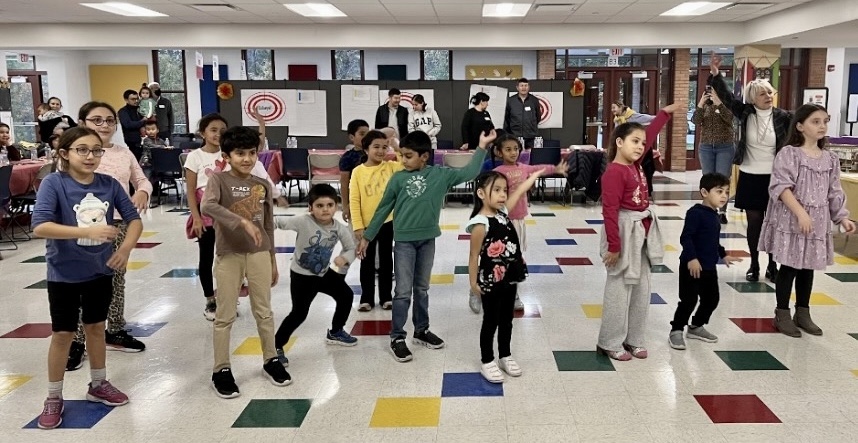
Parents as Allies teams celebrated progress on family-school engagement, inspiring others to try hacks of their own
How can school districts and families build authentic connections? For nearly five years, Parents as Allies has been exploring this question and forging new levels of engagement in communities throughout southwestern Pennsylvania.
The Parents as Allies process has some key ingredients, including “empathy interviews” and a focus on the power of co-led teams of parents and educators. But the creative hacks that emerge from this work — and, in the process, foster trust and relationships between schools and parents — vary widely among the nearly 50 school districts that have taken part in Parents as Allies.
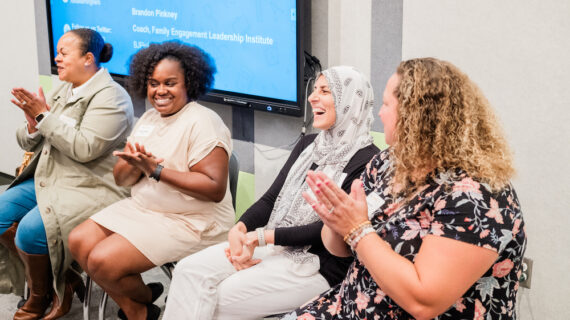
That variety was on display earlier this semester when 13 school districts from around the Pittsburgh region shared their hacks and discoveries with newcomers and veterans of the Parents as Allies process.
Gathering at the Heinz History Center on Oct. 29, 2025, educators from around the Pittsburgh region were welcomed by Yu-Ling Cheng, director of Parents as Allies and Kidsburgh, and Dr. Scott Miller, principal at Avonworth Primary Center and the Grable Foundation’s Family and School Engagement Fellow.
Throughout the event space, a “gallery walk” was set up where each district could share about their family-school engagement hacks and the relationships that have grown from these experiences. For those new to the process, it was a chance to discover new approaches while experiencing the passion and energy of the teams from each district.
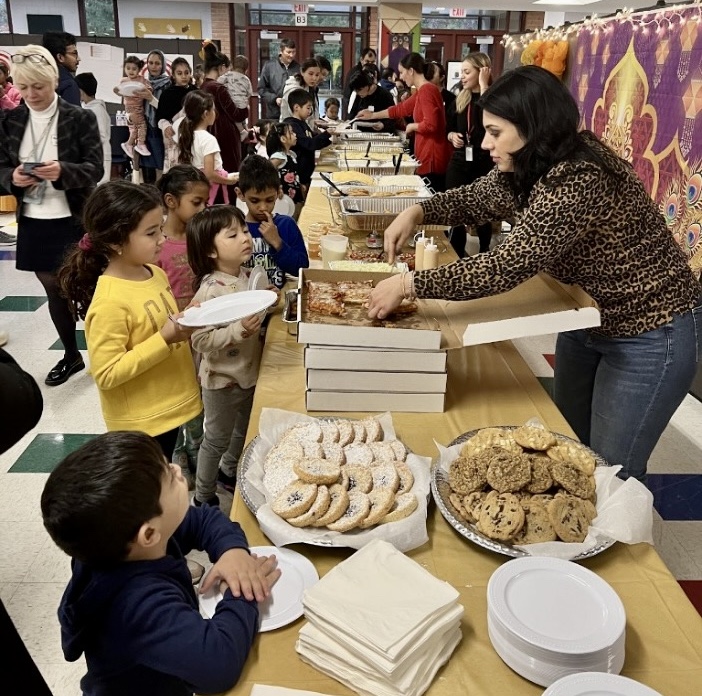
Teachers and parents roamed from table to table, asking questions and networking to find out what the various co-led teams of parents and educators have been doing. Even long-time participants were able to find new ideas and inspiration.
One team that is relatively new to Parents as Allies, from Seneca Valley School District’s Ryan Gloyer Middle School, was busy collecting armfuls of handouts and discussing ideas that they may try later this school year.
During the gallery walk, Miller encouraged those who were sharing their hacks to be sure to take a moment away from their own tables to go see everyone else’s work. He emphasized how informal the event was meant to be.
“We wanted to make it fun and exciting, like a science fair,” Miller told the crowd. “So go visit other friends.”
EXPLORING WHAT’S POSSIBLE
Just a few among the many hacks and experiences on display included these:
Ambridge School District shared a range of past hacks, including an open house earlier this fall at Highland Elementary that celebrated community, commitment and communication — the school’s guiding anchors for strong family partnerships. At the event, families connected with teachers, staff and a wide range of local organizations in an informal way, sharing a pizza, cake and conversation.
More than 200 people from a total of 96 families attended.
At a nearby table, California Area School District shared about their transformative experience with Parents as Allies, which has included a wide range of hacks. Among their favorites (and most creative) was the CRUSH It! community event, which connected the district with families while helping everyone build a connection with the outdoors.
This event at a local park emphasized wellness and teamwork, giving families a chance to enjoy physical activity together while modeling healthy habits for students.
California Area’ s elementary principal Rachel Nagy told visitors that in her district, the impact of Parents as Allies has gone way beyond the events they frequently host. It’s “become a part of the culture,” she said.

Nagy originally began working on hacks in 2021 with her PAA team at the K-6 level. Since then, the entire district has gotten involved — and families have been vocal about appreciating that.
This year, Nagy said, parents whose kids were moving up to 7th grade asked middle/high school principal Josh Pollock whether PAA events would be happening at the upper grade levels. He was glad to say, “Yes, absolutely.”
And at yet another table, Avonworth School District shared information about their many Parents as Allies hacks, including a “family ambassadors” program and their ongoing series of “Hi Neighbor!” events.
These events — led by local families and the school’s Parents as Allies team — bring the community together for cultural celebrations through hands-on activities, food and learning. The first “Hi Neighbor!” event highlighted three cultural celebrations (Day of the Dead, Ramadan and Lunar New Year), giving Avonworth students and their families a chance to share about their cultures and traditions.
Since then, the series has expanded to other schools in the district and featured celebrations from around the world, including Holi, Christmas and Passover, and put a spotlight on countries including Egypt, Palestine, Ecuador, Germany, Italy, Nigeria and India, as well as Mayan culture.
Anna Barsukova, a parent on Avonworth’s team, said events like these have made a meaningful difference for her family.
“I came to this country without family, without relatives, no friends,” said Barsukova, who emigrated to Pittsburgh from Russia. Attending “Hi, Neighbor” events “helps, really, to get new experiences, get new information, to meet new friends. It’s really strengthening family ties, friendship, cooperation and creating memories.”
Also, “children learn through this process. They’re developing their goodwill — their ethical, moral responsiveness, empathy,” she said. “I just love this.”
LUNCH AND LEARN
After visitors explored the gallery walk, Dr. Emily Morris from the Brookings Center for Universal Education led a “lunch and learn” workshop to share insight into the extensive research Brookings has done on parent-school engagement.
Among the key topics: the importance of building solid relational trust, especially as students grow older and their families navigate the roles they can play in the school community.
Morris shared encouraging research, including data that shows that parents want to trust their children’s school. Also, though, she pointed out that across the U.S, and globally, there are few opportunities within most teacher training programs to learn about family engagement and what strategies can work.
We often expect educators, she said, to simply have these skills or to learn by doing.
Morris also asked the group to think back to their own childhood experiences: To what extent did they trust their middle school teachers, for example? Middle school is one of the areas where things begin to shift, she said, and “trust gets a little bit more sticky and difficult.”
Together, the group explored what they can learn from the growing body of research into building trust within family-school engagement and how the many real-world examples emerging from Parents as Allies can lead to further progress.
At the end of the day, newer teams also learned from a workshop on “Unlocking the ‘How’ Behind Family-School Partnerships” — a topic that had been vividly brought to life throughout the event.
“The day was very visual and hands-on,” Miller said. “There were all different levels of school teams there — high school, middle school, elementary, and some were district-wide. But at the end of the day, the grade level or the event didn’t matter. It was about sharing the ideas and the concepts.”
It was, he said, “all about the opportunity: how to facilitate engagement and then what could be possible. I learned just as much from Baldwin’s table as I did from Burrell’s table, and all the others. The energy in the room from everyone was about being able to physically see and interact with other schools. No matter the grade level or the building structure, or even the school name, it was about the opportunity that was created.”
Related Stories

As districts find creative ways for communities and schools to draw closer, everyone benefits

Kidsburgh’s PAA team and other local educators will share wisdom at this year’s SXSW EDU
Parents as Allies: New Brighton finds that communication is the key to collaboration

Parents as Allies: Keystone Oaks leans into the value of ‘opening your doors, literally’

Parents as Allies: At Franklin Regional, information flows and connections grow

Parents as Allies: At Avonworth, new and established families band together to create a community

Parents as Allies: How Burrell built family-school engagement through the power of the ‘fireside chat’
Parents as Allies: Resources and relationships are growing at Duquesne City

Parents as Allies: Forging new friendships in the evolving community of Hopewell Area
3 years in the making, Parents as Allies’ guidebook offers a flexible roadmap for real family-school engagement

Parents as Allies: How moms, dads and even grandparents became ‘maker coaches’ at Northgate
