

How to prep your family for ski season in the Pittsburgh area (without losing your mind)
There’s something magical about winter mornings when the slopes call. Fresh snow, crisp air, and your kids bundled like mini marshmallows, ready to embrace the thrill of skiing. But family ski prep can feel like a full-contact sport, between meltdowns over itchy socks, lost gloves and the logistics of teaching your child to “pizza stop” without toppling over.
The good news is that skiing and snowboarding are rare, truly multi-generational sports. Kids, parents and grandparents can all share the same slopes, learning side by side. With the right expectations and a little advance planning, ski days can be memorable for the right reasons.
For many Western Pennsylvania families, those first ski experiences happen at Seven Springs Mountain Resort. With beginner-friendly terrain, a dedicated learning area and on-site lessons and rentals, it’s often where kids first clip into skis. It’s also where parents realize how much smoother the day goes with a little prep.
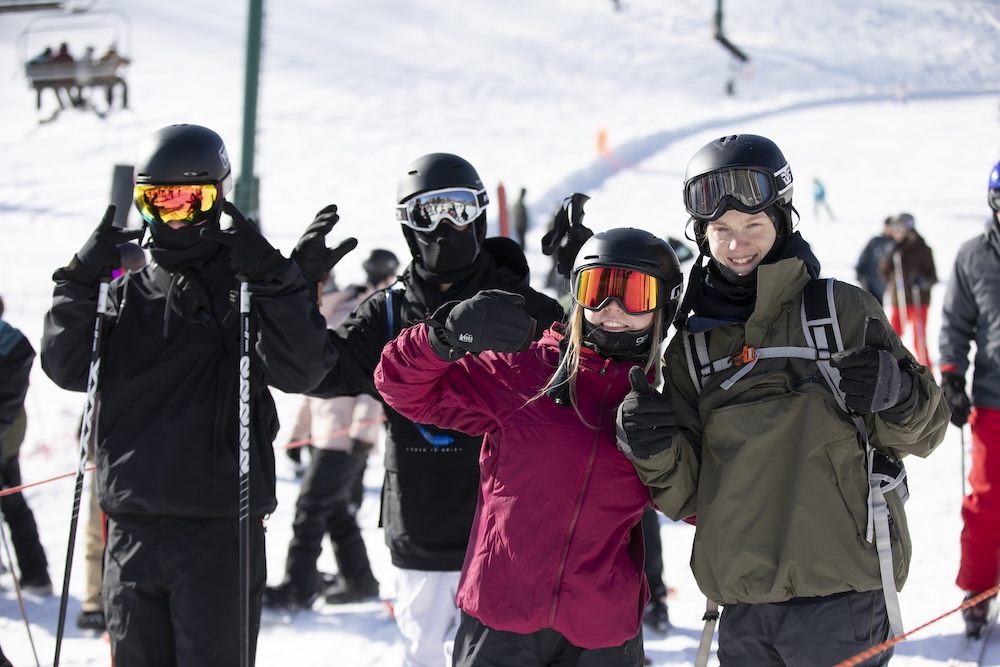
Here’s how to set your family up for a successful ski season.
When Should Kids Start Skiing?
It’s one of the most common questions parents ask before their first ski season: How young is too young?
Many ski programs recommend starting around age 3. By then, kids are often potty-trained, able to follow simple directions, and emotionally ready to try something new. That said, every child is different, and there’s no universal timeline.
If your child isn’t immediately enthusiastic, that’s normal. Some kids need time to get used to the cold, the equipment or the sensation of sliding. Keeping expectations low helps. Short sessions, frequent breaks, and simple motivators — snacks, sledding or watching other kids on the bunny hill — can ease the transition.
At places like Seven Springs, beginner terrain is designed to help kids build confidence gradually. Progress doesn’t need to be fast. Comfort and enjoyment matter far more than how quickly a child learns to stop or turn.

Prepping at Home: Baby Steps to the Bunny Hill
Before hitting the slopes, lay some groundwork at home. Skiing introduces all kinds of new sensations — tight boots, bulky jackets and slippery snow. Here’s how to ease your kids into the experience:
- Practice Getting Dressed: Turn “snow day gear-ups” into a game. Let your child practice putting on layers, boots, gloves and their helmet at home. Goggles can be tricky — encourage them to wear their gear while watching a favorite show.
- Introduce Movement: If you have access to plastic skis or a carpeted room, let your kids “ski” around the house. Teach simple terms like “pizza” (wedge) and “french fries” (parallel skis) in a relaxed setting.
- Set Expectations: Falling is part of the process. Kids are sponges and they learn so much faster than adults. But they need to know that falling isn’t failing. Rather, it’s how they learn balance.
Gear: The Never-Ending Scavenger Hunt
First things first: gear. Missing goggles, boots that mysteriously shrank or last year’s jacket that your kid insists is now “too itchy” can derail your plans before you even start.
The Essentials:
- Skis, boots, bindings, and poles: If you’re buying, check fit in advance. No one wants a meltdown in the rental shop.
- Helmets: Non-negotiable. Check for cracks and proper fit.
- Goggles: Get ones with anti-fog coating and make sure the lenses match the typical weather (low-light lenses for cloudy days, mirrored lenses for sunny ones).
- Gloves or mittens: Insulated and waterproof. Buy extra pairs because they will get lost or soaked.
- Base layers: Keep in mind that merino wool or synthetic cotton are your enemy, because they stay wet and cold.
- Ski socks: Wool or synthetic, knee-high. Never double-layer socks; it cuts circulation.
- Neck gaiters or balaclavas: These keep faces warm and protect against windburn.
The Overlooked Extras:
- Sunscreen: Yes, even in winter. UV rays reflect off snow, and sunburns can happen faster than you think. Apply to every exposed area, including under the chin.
- Lip balm with SPF: Wind and sun can wreak havoc on lips.
- Hand warmers and toe warmers: These are lifesavers for cold-sensitive kids (and adults).
- Ski straps or bags: Makes carrying gear less awkward, especially with little ones.
- Helmet liners or thin beanies: Adds warmth without interfering with helmet fit.

Layer Like a Pro
Layering is an art. Start with moisture-wicking base layers, add insulating mid-layers, and top it off with windproof, waterproof outer layers. Teach your kids how to manage their own temperature: Unzip jackets if they’re hot, layer up if they’re cold.
Pro tip: Balaclavas and neck gaiters are MVPs on windy days. Pack extra layers for the car, including hats, gloves, and a change of clothes, because someone will inevitably end up wet.
Rent or Buy?
At resorts like Seven Springs, rentals and lessons are often bundled together, simplifying the process for families. For first-timers, renting is often the best choice. Many resorts offer high-quality gear that ensures a proper fit, which is essential for kids learning the ropes.
If skiing becomes a regular family activity, secondhand gear or seasonal rentals can save money. Many ski shops also offer trade-in programs for growing kids.
Managing the Morning Chaos
Ski mornings run smoother when you assume everything will take longer than expected. Here’s how to streamline the madness:
- Arrive early: Give yourself time for parking, bathroom breaks and last-minute gear adjustments. Some resorts offer a drop-off zone near the lodge to simplify unloading.
- Lay out gear the night before: Having everything ready saves valuable time (and sanity) during the morning rush.
- Prioritize comfort: If something feels itchy or tight, address it immediately to avoid meltdowns.
On the Mountain
Once you’re on the slopes, focus on keeping things fun and manageable:
- Breaks and snacks: Hungry or tired kids won’t enjoy skiing. Build in snack breaks and hydrate frequently.
- Dress for success: Teach kids to unzip when hot and zip up when cold. Thin layers with zippers are easy to manage.
- Safety first: Helmets are non-negotiable, and goggles prevent snow blindness. Keep an eye out for frostbite on fingers, toes and noses.
Making Skiing Magical
Lessons can be a game-changer. Group lessons work well for kids who enjoy learning alongside others, while private lessons can help kids who need more individual attention.
Small touches help make skiing feel special: Fun helmet covers, bright accessories or a “ski-only” snack can turn nerves into excitement. Warm-up breaks indoors, hot chocolate and celebrating small wins all help build positive associations.
And finally, plan for the aftermath. After a full day on the slopes, many kids fall asleep before you’ve left the parking lot. Bring a blanket, pillow and cozy clothes, so the ride home is just as smooth as the day itself.
Related Stories

4 great places to boost your family’s wellbeing with a winter hike in the Pittsburgh area

For kids in foster care and those experiencing adoption, Foster Love offers year-round support

Vaccines can help Allegheny County kids with asthma

Bella Terra Stables brings the magical impact of horses — and powerful personal growth — to local students

Check out these opportunities for teens in 2026 at SLB Radio
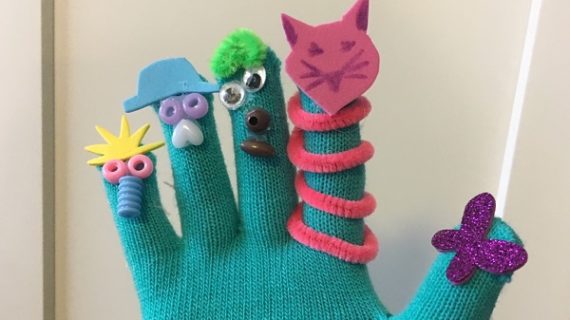
Maker Monday: Got a single glove? Kids can create a glove puppet!

Sports360, the newest immersive exhibition at the Science Center, opens this weekend
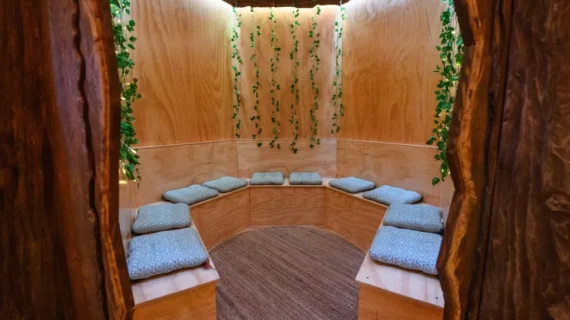
‘Some kids don’t really have anyone to talk to or trust.’ Chill Rooms are filling that gap.

The Mentoring Partnership of SWPA turns 30! This story might just inspire you and your children to get involved.
